
[ad_1]
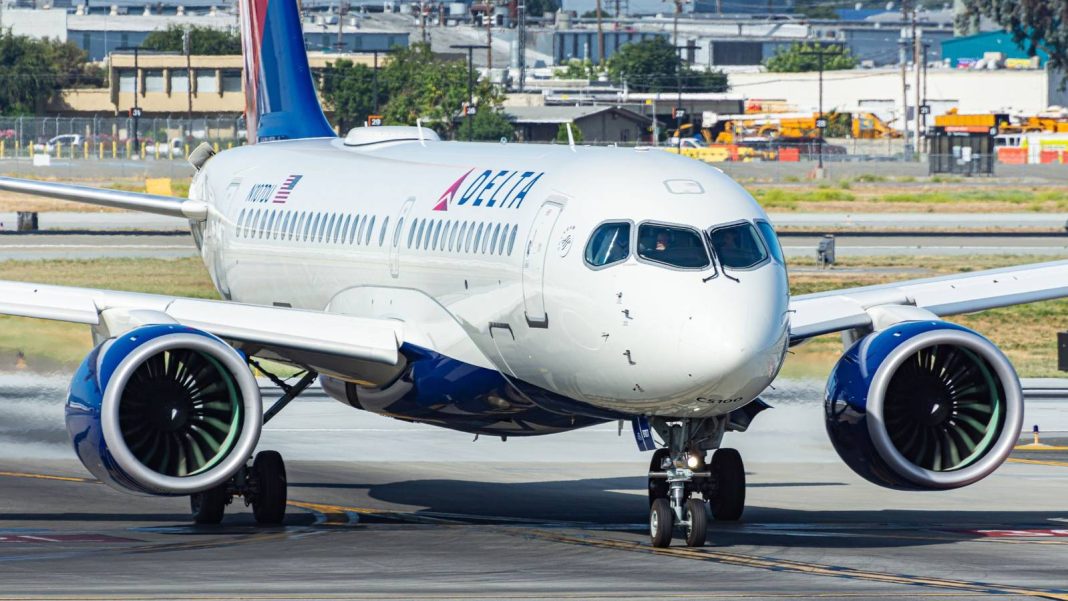
Delta Air Lines was forced to delay a domestic flight after a passenger was unexpectedly soaked with aircraft deicing fluid during pre-departure preparations at New York’s LaGuardia Airport. The incident occurred aboard a Delta Airbus A220 operating a scheduled service from  New York JFK Airport to Jacksonville International Airport, Florida. Shortly after the aircraft completed de-icing, liquid entered the cabin and drenched one passenger, prompting the flight crew to discontinue the departure. The aircraft ultimately returned to the gate so that the situation could be addressed.
Cold-weather deicing is a routine part of winter airline operations at many airports worldwide and is designed to remove ice and snow from critical aircraft surfaces. However, fluid entering the passenger cabin is highly unusual and raised immediate concerns for both passenger comfort and aircraft condition. Delta crews followed standard safety protocols by returning the aircraft for inspection. The delay extended several hours before the flight was able to depart on a different aircraft.
Deicing Incident Forces Delta Flight To Delay Departure

The  Delta Air Lines flight had just completed a deicing procedure when crew members became aware that fluid had leaked into the cabin and soaked a seated passenger. After taxiing away from the deicing area, the pilots requested permission from air traffic control to return to the gate. The decision was made out of caution to ensure the passenger’s well-being and allow maintenance teams to inspect the aircraft.
Communications with controllers indicated that medical assistance was considered but ultimately deemed unnecessary. The affected passenger was able to clean up and change clothes while Delta worked to resolve the issue. Due to the unexpected nature of the incident, the airline opted to delay the flight and later substitute the aircraft before continuing the journey.
Simple Flying has reached out to Delta Air Lines for a comment and will provide updates accordingly.
How Winter Deicing Procedures Led To An Unusual Cabin Leak

Aircraft deicing and anti-icing involve spraying a heated mixture, often containing propylene glycol (Type I deicing fluid), or other glycols like ethylene glycol (Type IV anti-icing fluid), onto the exterior of the aircraft to remove existing ice and snow on the airframe and prevent ice accumulation. The fluid is considered low-toxicity but can irritate if it comes into direct contact with skin. Strict procedures are in place to prevent overspray or seepage into aircraft interiors.
Incidents where deicing fluid breaches the fuselage are rare and often prompt additional scrutiny of equipment, seals, and application methods. In this case, the airline took a conservative approach by removing the aircraft from service temporarily. Such responses are standard when abnormal conditions are identified during ground operations.
Winter weather regularly disrupts airline schedules across the northeastern United States, where frequent deicing can contribute to delays and operational challenges. While deicing itself is common, this incident stands out due to the unusual way the fluid entered the cabin rather than remaining on external surfaces.

How Airlines Deal With Abnormal Operations And Incidents

Airlines closely monitor any abnormal ground-handling events, particularly those that involve passenger exposure or cabin contamination. Even isolated cases can trigger additional scrutiny from safety teams to confirm that aircraft systems performed as intended. Such incidents are often documented internally to identify whether environmental conditions or equipment behavior played a role. It is unclear at this stage whether this incident will be taken any further.
Operational disruptions linked to ground services may also influence scheduling decisions for the rest of the day, especially at congested airports during peak winter periods. Aircraft substitutions and crew adjustments are sometimes required to prevent knock-on delays across the network. These downstream effects highlight how a single irregularity can extend beyond the affected flight.
Although winter travel frequently involves delays, direct passenger involvement in ground-service mishaps remains exceptionally rare. This incident serves as a reminder that aviation operations rely on coordinated precision across multiple teams, where rapid communication and decision-making are essential when unexpected situations arise.
[ad_2]
Source link