[ad_1]
One year after its reveal, the F-47 is no longer just a far-flung concept. Here’s how America’s next air superiority fighter is progressing.
On 21 March 2025, the US Air Force introduced the F-47 to the world. It was presented as a generational leap forward, the centerpiece of a new era in air dominance, and the long-term successor to the F-22 Raptor.
Back then, the aircraft seemed almost out of reach. It was a sixth-generation fighter known more for its promises than for any details that were shared.
A year later, things are clearer. The F-47 has moved beyond being just an idea and is now an active program.
From Announcement to Momentum

Over the past year, the F-47 has gone from being just a headline to becoming a real piece of hardware.
After Boeing won the Next Generation Air Dominance (NGAD) contract in March 2025, the program moved into the Engineering and Manufacturing Development (EMD) phase. The first airframes are already being built at Boeing’s St. Louis facility. From the start, the Air Force has used digital engineering and advanced design tools to accelerate development and lower risks early on.
Importantly, the program is still meeting its early goals. The first flight is still planned for 2028, showing both ambition and confidence in how things are going.
For a sixth-generation fighter, having this much stability so early in development is impressive.
A Fighter Designed for a Different Fight
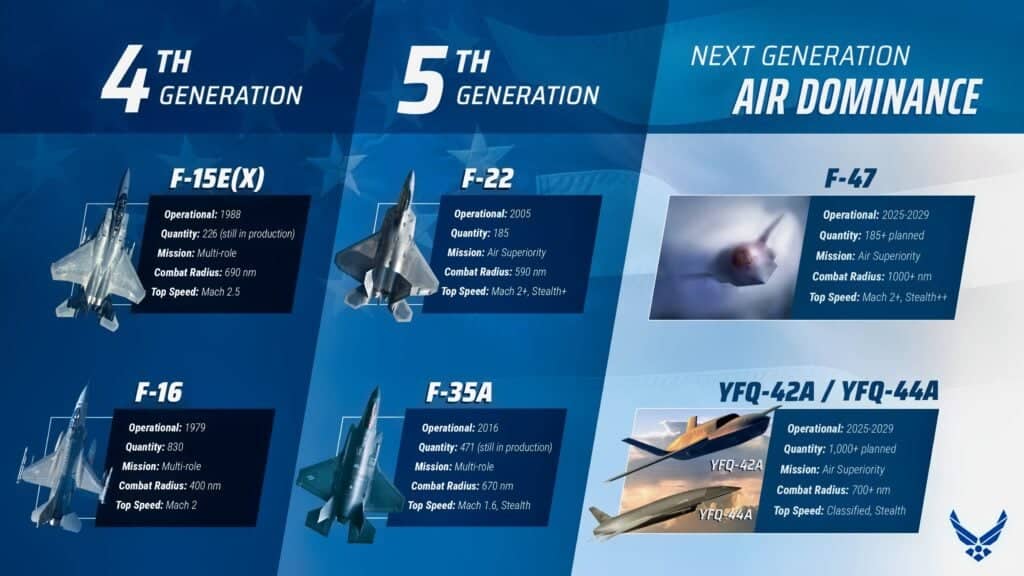
Even though most details about the F-47 are still classified, the Air Force has shared a clear idea of what the aircraft is designed to accomplish.
The platform is expected to exceed Mach 2, operate at ranges greater than 1,000 nautical miles, and serve as the central node in a larger “family of systems.”
This capability is what sets the F-47 apart from any other asset to date.
Instead of flying solo, the F-47 will team up with Collaborative Combat Aircraft – semi-autonomous drones that help it reach farther, stay safer, and spread out its abilities across the battlefield. This means the F-47 will act less like a lone fighter and more like a command center within a bigger, connected force.
This approach aligns with how the Air Force sees future conflicts…not as separate battles, but as coordinated operations across different domains, where sharing information, maintaining range, and working together are key to success.
Still, the aircraft itself is mostly hidden from view. Aside from a few official images, the Air Force has shared little about what it will finally look like. This kind of secrecy is normal for such an important program and is to be expected.
Could this be the F-47?
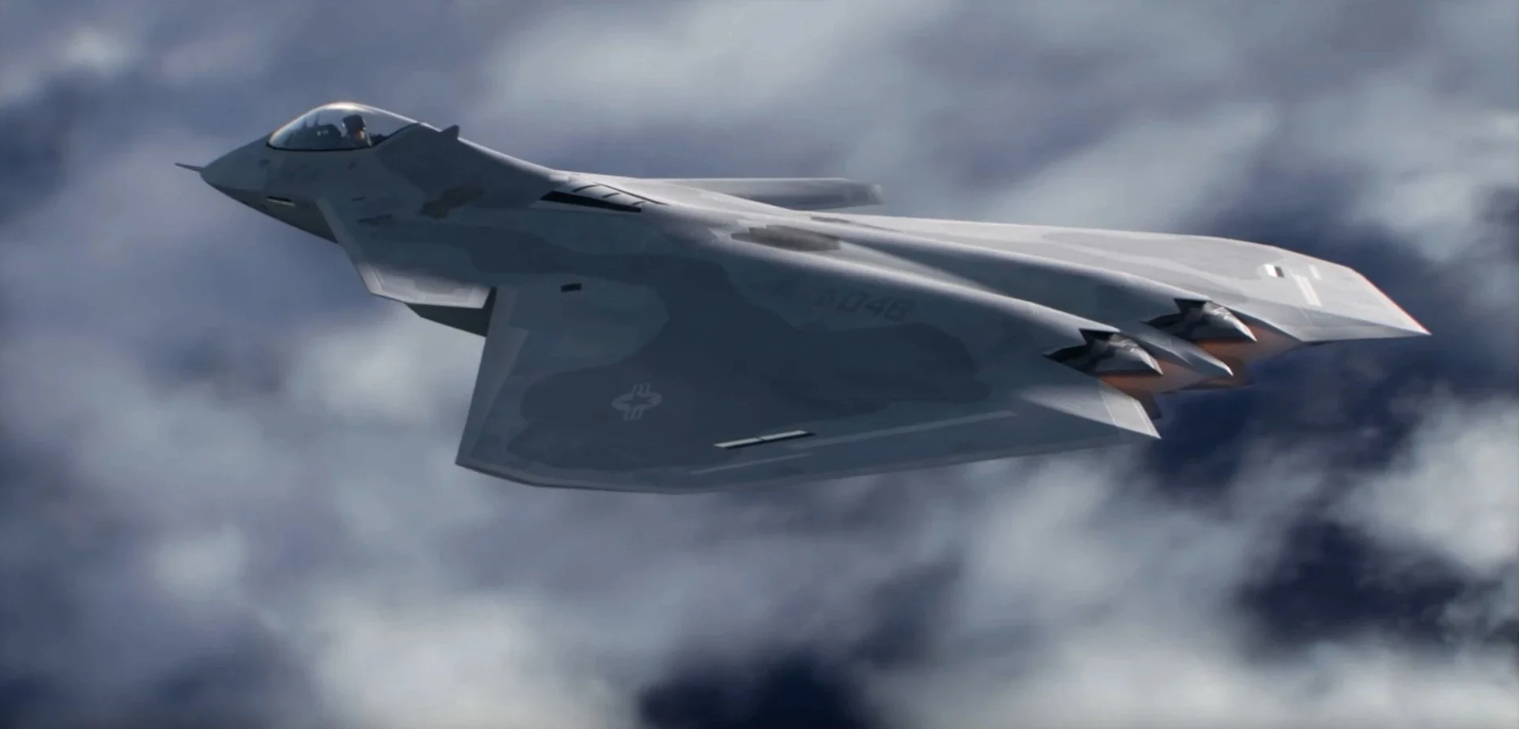
In the past year, there have been no official glimpses of what the F-47 may look like apart from the renderings released in March 2025. However, some believe a video may actually show the new fighter.
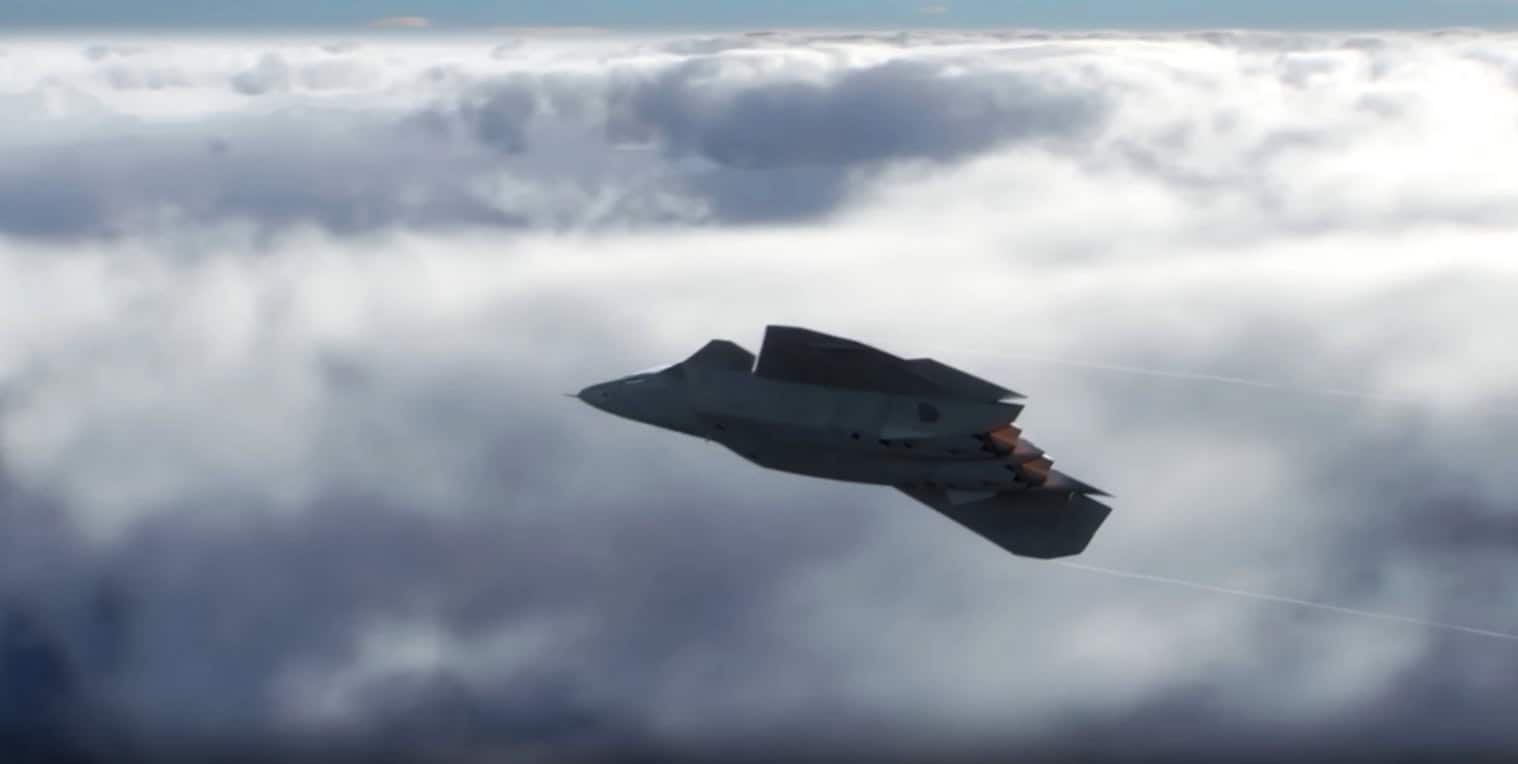
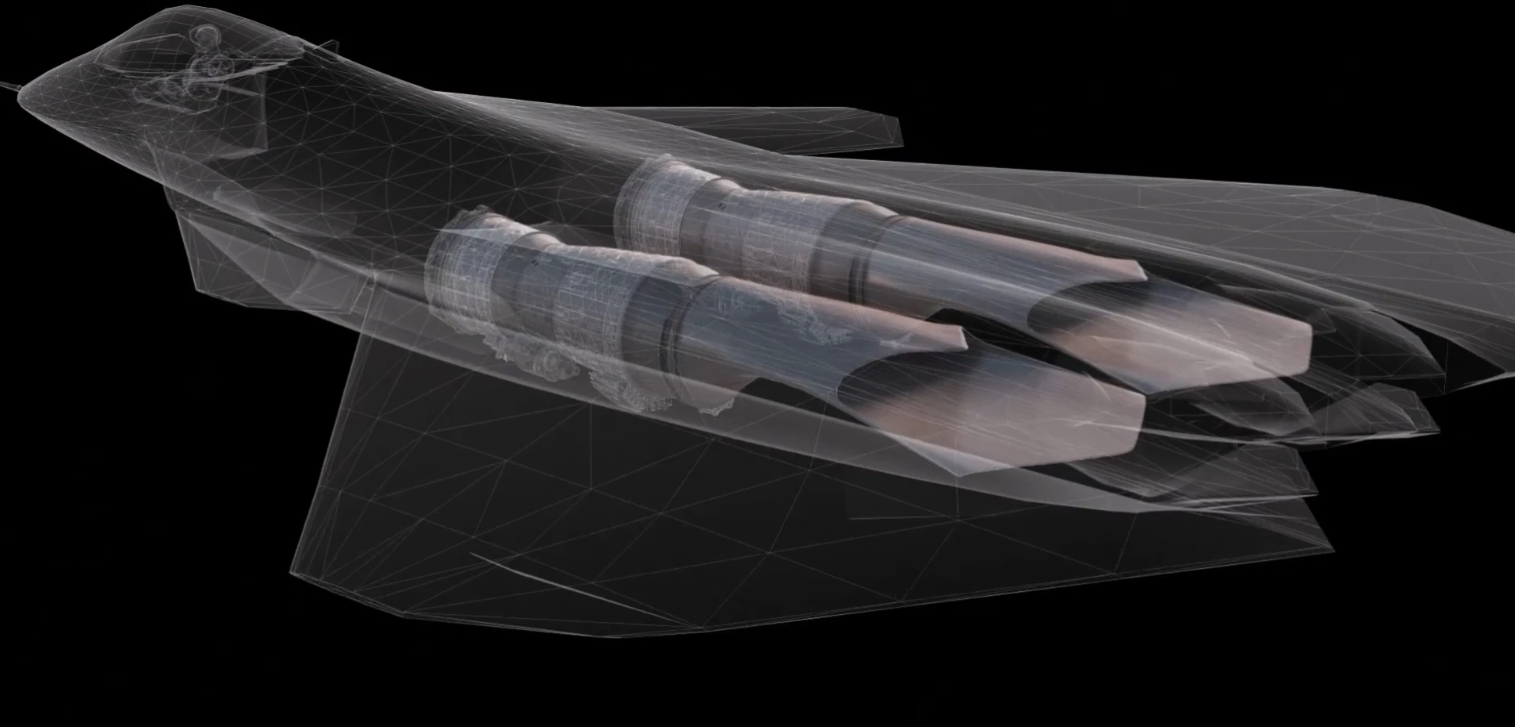
In February 2026, a short video from Pratt & Whitney showed a tailless, delta-winged stealth aircraft that many think may be connected to the program. The short 30-second clip features Pratt & Whitney’s XA103 engine. The XA103 is a next-gen adaptive cycle engine for the Boeing F-47, producing up to 40,000 pounds of thrust while improving efficiency and thermal management. Its three-stream design lets it switch between fuel-efficient cruising and high-thrust combat modes.
However, the XA103 is not what catches the eye in this clip. It is the jet it powers.
The video shown below is still publicly available, so it is unlikely to have been posted in error.
The only question is: what airplane is in the video? It’s still unclear if this image shows the real design or something else.
And that ambiguity may be the point.
Today’s defense programs work in a world where being too visible can be risky. Controlling what information is shared, and when, is part of the overall plan. For those watching, it means some questions will stay unanswered for now.
The Timeline Ahead and the Bridge to the Future
As the program moves forward, the focus is shifting from what the F-47 will become to how it will actually be put into service.
The first flight is still planned for 2028. The F-47 is expected to enter service in the mid-2030s, which shows both how complex the project is and how carefully the Air Force is moving forward.
Speaking at the McAleese Defense Programs Conference in March 2026, Rep. Rob Wittman (R-VA), Chairman of the House Armed Services Tactical Air and Land Forces Subcommittee, emphasized the importance of sustaining current capabilities as the next generation comes online.
“The question then becomes, what do we do in the meantime?” Wittman said. “We have to maintain a fleet of F-18s, and then we have to maintain the F-22. That’s the only way we create that bridge to the sixth-generation aircraft.”
The word ‘bridge’ carries a lot of meaning here.
The Air Force is continuing to invest in current platforms with the steady development of the F-47, creating a layered approach to air dominance that prioritizes readiness today while building capability for tomorrow.
Instead of hurrying the F-47 into service, the goal is to deliver a system that is fully integrated, flexible, and able to adapt as needs change.
One Year In, A Program Taking Shape
A year after its debut, the F-47 is starting to become more real.
The program is moving forward as planned. Major milestones are still on schedule. The Air Force is using lessons from past projects to guide how the F-47 is designed, built, and maintained.
The careful pace reflects the scale of the effort. The F-47 represents a new chapter in air dominance, one built around integration, range, and adaptability.
After one year, the direction is clear. The groundwork is being set, the system is coming together, and the next era of air dominance is getting closer. While much is still hidden, the future is starting to take shape.
[ad_2]
Source link